






Rugby First Aid Kit - Personal
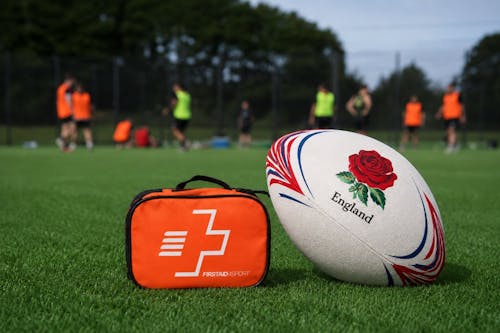

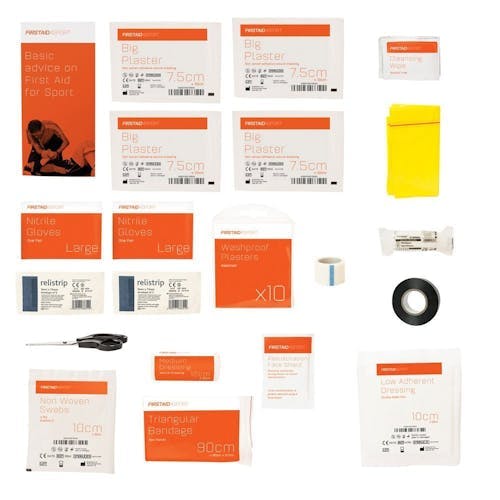




- Overview
- Kit Contents
- For Rugby Clubs
- Rugby Injuries
- Why FirstAid4Sport
Rugby First Aid Kit – Advanced
Comprehensive pitch-side first aid for trained first aiders, medical professionals, rugby clubs and sports teams.
Developed specifically for rugby, this advanced kit combines essential first aid supplies with professional sports taping and strapping products in a durable, water-resistant touchline bag.
- Comprehensive rugby first aid kit
- Includes EAB, Zinc Oxide and Rip Tape
- Water-resistant, wipe-clean touchline bag
- Designed for trained first aiders and medical professionals
Price List - To order please specify a quantity. Then click the "Add to Basket" button.

The Importance of First Aid in Rugby: Staying Safe in a High-Impact Sport
Rugby is one of the most intense and physically demanding contact sports. With its fast pace and high-impact tackles, the risk of injury in rugby is significant, making first aid not only essential but a priority for every game and practice session. Understanding the critical role that rugby first aid products play can make a big difference in ensuring a safer playing environment for everyone involved. Quick access to the right medical supplies and training can help manage injuries effectively, preventing minor issues from escalating and allowing players to recover more safely.
At FirstAid4Sport We've developed a range of rugby first aid kits to cater for untrained personal use all the way up to professional use at the very highest levels of the sport.

Premium rugby first aid kit designed for trained first aiders, sports therapists and physiotherapists. Comprehensive pitch-side cover for clubs, schools and professional teams.

Comprehensive rugby first aid kit for clubs and teams, with essential first aid, sports tape and pitch-side supplies in a durable, water-resistant shoulder bag.

Compact rugby first aid kit for small teams, schools, players and parents. Essential first aid supplies in a handy grab bag, ideal for training and match days.

Small and portable rugby first aid kit for players, parents and individuals. Essential supplies for dealing with common minor injuries on the go.
What Should Be In A Rugby First Aid Kit?
A well-equipped rugby first aid kit is essential for providing immediate care, helping to prevent minor injuries from worsening, and ensuring a faster response to incidents on the field.
Having the right first aid products readily available promotes a safer environment and reinforces the importance of safety for players, coaches, and parents alike. Essential items such as ice packs, gumshields, and protective gear not only aid in quick treatment but also support players’ confidence and readiness to perform at their best. By prioritizing first aid in rugby, teams can focus on enjoying the game while minimizing injury risks.
A rugby first aid kit is essential for ensuring player safety on the field, allowing for quick response to injuries and minimising risks. These kits contain items specifically chosen to address the kinds of injuries common in rugby, from cuts and bruises to more serious sprains.

Key First Aid Products For Rugby

Plasters (Washproof & Blister)
For covering minor cuts and abrasions, washproof plasters stay secure even when players sweat or are exposed to moisture. Blister plasters protect blisters from further friction, especially on feet, preventing more severe injuries.

Sports Tape
Used for taping joints and securing dressings, these tapes are flexible, strong, and adhesive, providing support for sprains or areas prone to injury during play.
Explore a range of exclusive Zinc, EAB, Kinesiology, Pre Wrap tape and much more today.

Ice Packs
Essential for reducing swelling and numbing pain after impact injuries, ice packs help to minimize bruising and inflammation, speeding up recovery.
Simply squeeze and shake for cold therapy that can last up to 40 minutes.

Dressings
Essential for covering larger wounds, dressings help control bleeding, keep wounds clean, and protect them from dirt and bacteria.
FirstAid4Sport offers a wide range of specialist dressings perfect to add to your first aid supplies.

Gumshields
Gumshields will help to protect your teeth and gums from injury when playing impact sports, helping prevent against serious mouth and jaw injuries when playing sports.
Secure comfortable fit, gumshields can be trimmed and remoulded to give a bespoke comfortable fit

Skin Closure Strips
Used to close small wounds, these strips are an alternative to stitches, helping wounds heal more quickly and reducing the risk of infection.

Bandages
Provide compression and support for sprains, strains, and other soft tissue injuries, helping stabilize the affected area and reducing swelling.

Disposable Nitrile Gloves
Protect both the first aider and the injured person by maintaining hygiene, reducing the risk of infection.

Cleansing Wipes
Sterile wipes clean wounds before dressing, reducing the chance of infection from bacteria on the skin.

Non Woven Swabs
Soft, absorbent swabs that can be used to clean wounds or apply antiseptics, minimizing irritation to injured skin.

Petroleum Jelly
Often used to prevent chafing, especially in contact areas, it protects the skin and reduces irritation from equipment or clothing. Can also help to temporarily reduce bleeding from open cuts.

Resucitation Face Shield
Provides a barrier for safe mouth-to-mouth resuscitation, crucial in emergencies when CPR is required, reducing infection risk between rescuer and player.

Defibrillators & Resus Products
These are critical for managing life-threatening situations like cardiac arrest. A defibrillator can restore a regular heart rhythm, while face shields and airways provide a safe barrier for rescue breathing during CPR, protecting both the responder and the player.

Sprays & Rubs
Instant relief from pain and discomfort. Apply heat sprays to the affected area to soothe aching muscles, stiffness & chronic injuries. Freeze sprays help to treat acute injuries such as strains, sprains, swelling and bruising.

Stretchers & Backboards
Ideal for use in emergency situations that demand safe and fast patient removal. Useful to have on hand in the event of a serious injury to safely remove a player from the pitch.
What Are The Most Common Injuries In Rugby?

Concussion:
Concussions are brain injuries caused by a strong impact to the head, often from tackles or collisions. In rugby, where players frequently tackle and engage in high-speed contact, the risk of head injury is significant. Symptoms may include confusion, dizziness, and nausea. Immediate response is critical; ice packs can help reduce swelling, while resuscitation face shields enable safe breathing assistance if needed.

Shoulder Dislocation:
This injury occurs when the upper arm bone is forcibly pushed out of the shoulder socket, often from tackles or falling awkwardly. The intense physical contact in rugby makes shoulder dislocations common, causing severe pain and limited arm movement. Bandages and sports tape can provide temporary support to stabilize the shoulder before further treatment. FirstAid4Sport also offer a full range of market-leading Shoulder supports and braces that can be used to treat or support more serious shoulder injuries.

Collar Bone Fracture:
Rugby’s high-impact tackles can lead to a fractured clavicle (collarbone), typically from a hard fall or direct blow. This type of fracture results in sharp pain and visible deformity in the collarbone area. Dressings are used to cover any skin breaks, while bandages or a sling can help immobilize the area.

Knee Ligament Injuries:
The knee’s ligaments, especially the ACL, are at risk during sudden pivots or awkward tackles in rugby. This injury causes knee instability and pain, affecting mobility. Sports tape and bandages can provide temporary support, while ice packs help reduce swelling and pain. FirstAid4Sport also offer a full range of market-leading Knee supports and braces that can be used to treat or support more serious knee injuries.

Ankle Sprain:
Quick direction changes in rugby put players at risk of ankle sprains, where ligaments are overstretched or torn. Pain, swelling, and limited movement are typical symptoms. Ice packs reduce swelling and pain, while bandages and zinc oxide tape offer stability and support. FirstAid4Sport also offer a full range of ankle market-leading supports and braces that can be used to treat or support more serious ankle injuries.

Muscle Strain Injuries:
Overexertion or sudden stretching of muscles during sprints, tackles, or kicks can lead to strains. Players experience muscle pain, stiffness, and swelling. Ice packs help with immediate pain relief and swelling, while petroleum jelly can reduce friction on irritated areas.

RFU Regulations and Competition Regulations
Rugby is a physical contact sport. Like all sports, injuries may occur as a result of isolated incidents or through the continuous playing of the Game over an extended period of time. Safety is of paramount importance and it is therefore essential for those involved in the Game to consider their own safety and the safety of others at all times. They should familiarise themselves with any specific responsibilities that may apply to them, as set out in various documents issued by the RFU and/or World Rugby from time to time.
Please follow the link below to see the official RFU rules and regulations that your club should be following in order to ensure player safety is adhered to and met at all times.
Alternative products

Compact rugby first aid kit for small teams, schools, players and parents. Essential first aid supplies in a handy grab bag, ideal for training and match days.

Comprehensive rugby first aid kit for clubs and teams, with essential first aid, sports tape and pitch-side supplies in a durable, water-resistant shoulder bag.

Premium rugby first aid kit designed for trained first aiders, sports therapists and physiotherapists. Comprehensive pitch-side cover for clubs, schools and professional teams.